
Top 10 CRM Platforms in 2026: Which One Is Right for Your Business?
In today's AI-driven business landscape, a Customer Relationship Management (CRM) platform is no longer just a database for storing customer information. Modern CRM solutions have evolved into intelligent business platforms that integrate Sales, Marketing, Customer Service, AI, and Workflow Automation into a unified ecosystem.
According to recent industry reports from Gartner and other technology analysts, the CRM market in 2026 is increasingly shaped by AI Agents, predictive analytics, workflow automation, and seamless ERP integration. Businesses are no longer looking for standalone CRM software—they need platforms that can support digital transformation across the entire organization.
This article reviews the Top 10 CRM Platforms in 2026, comparing their strengths, limitations, and ideal use cases.
Evaluation Criteria
The platforms are evaluated based on:
AI & Automation
Customization
Scalability
Ecosystem
ERP Integration
Ease of Use
Pricing
Enterprise Readiness
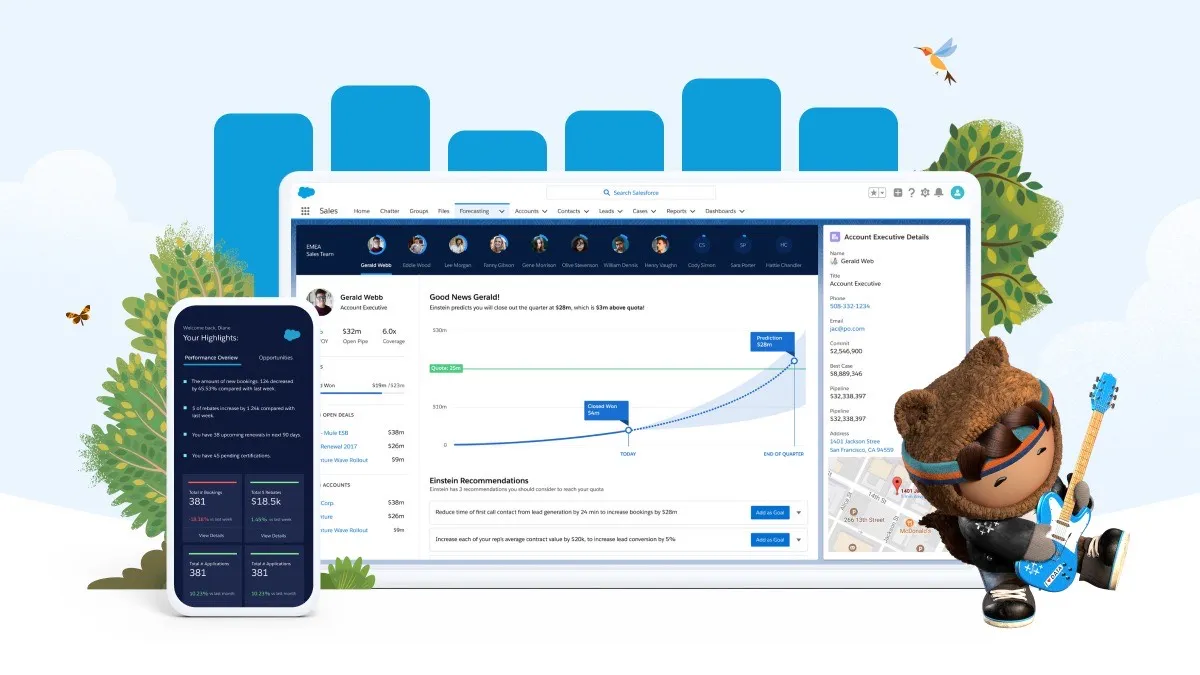
1. Salesforce CRM ⭐⭐⭐⭐⭐
Best For
Large enterprises
Global organizations
Complex business processes
Key Strengths
World's largest CRM ecosystem
Agentforce AI
Einstein AI
Powerful low-code platform
Extensive AppExchange marketplace
Virtually unlimited customization
Limitations
Premium pricing
Requires experienced implementation partners
Overall Rating: ⭐⭐⭐⭐⭐
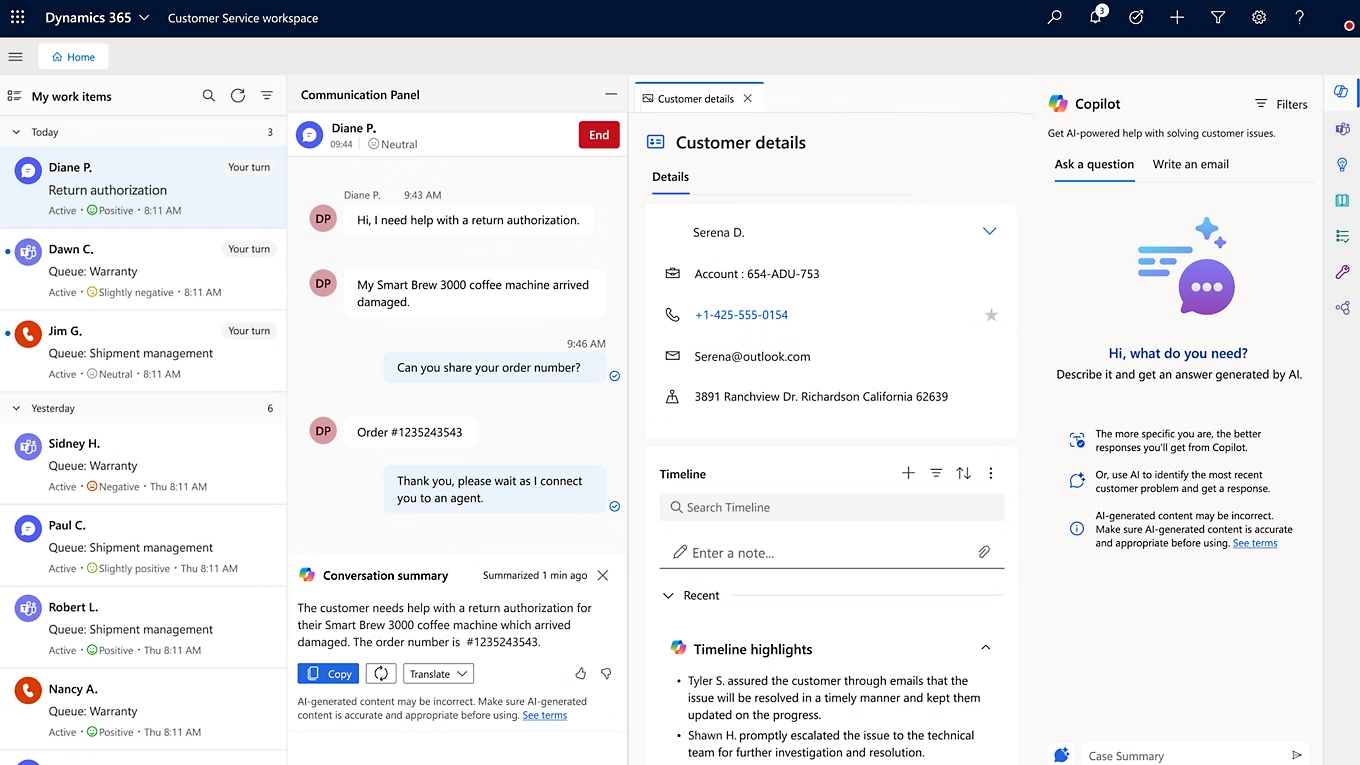
2. Microsoft Dynamics 365
Best For
Organizations using Microsoft products
Mid-size to enterprise businesses
Key Strengths
Native integration with Microsoft 365
Teams & Outlook integration
Azure AI
Seamless ERP connectivity
Strong business intelligence capabilities
Limitations
Can be complex to configure and customize
Overall Rating: ⭐⭐⭐⭐⭐
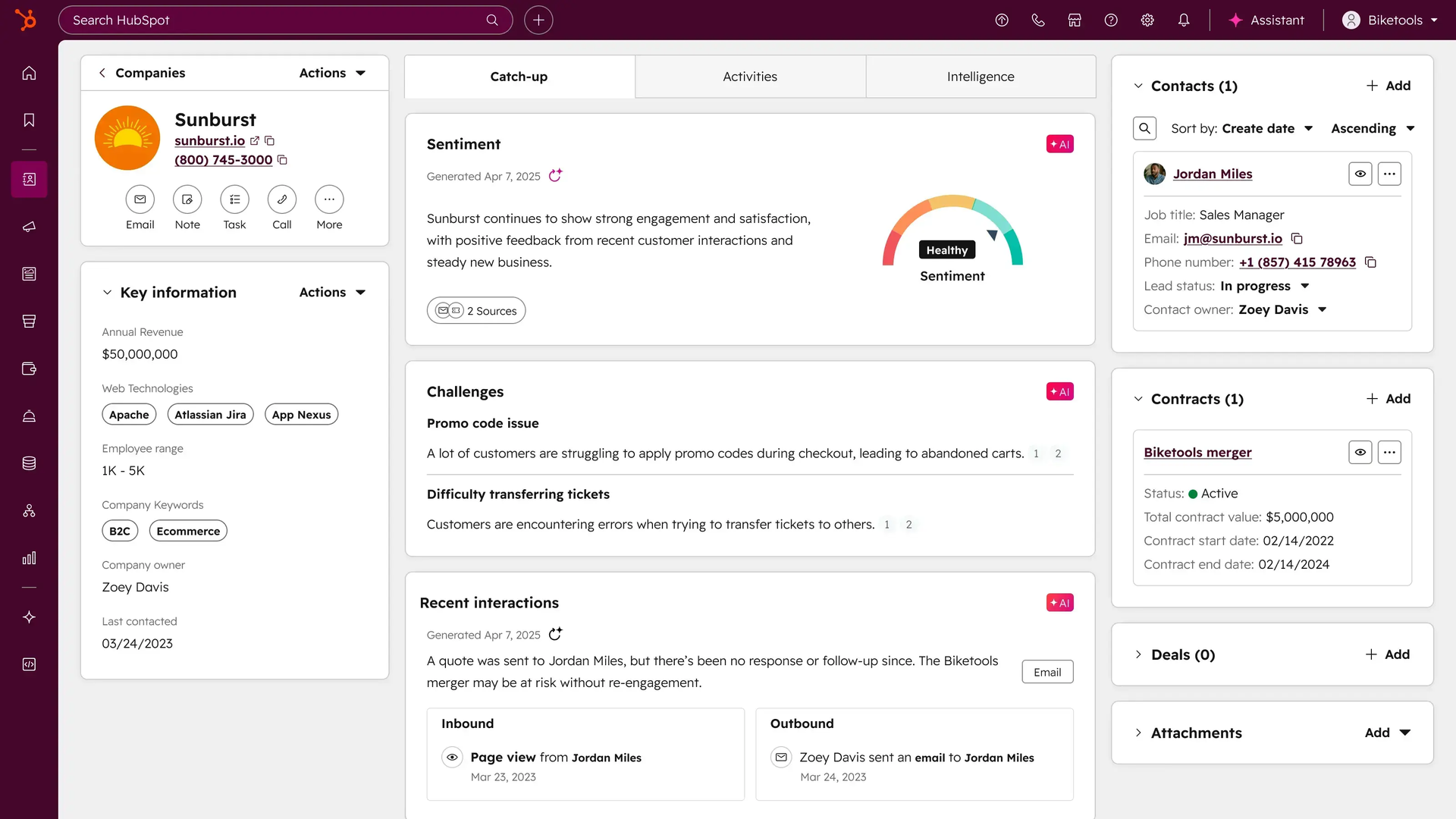
3. HubSpot CRM
Best For
Startups
Marketing teams
SaaS companies
Key Strengths
Free entry-level plan
Excellent marketing automation
User-friendly interface
Fast implementation
Limitations
Pricing increases significantly as businesses scale
Overall Rating: ⭐⭐⭐⭐☆
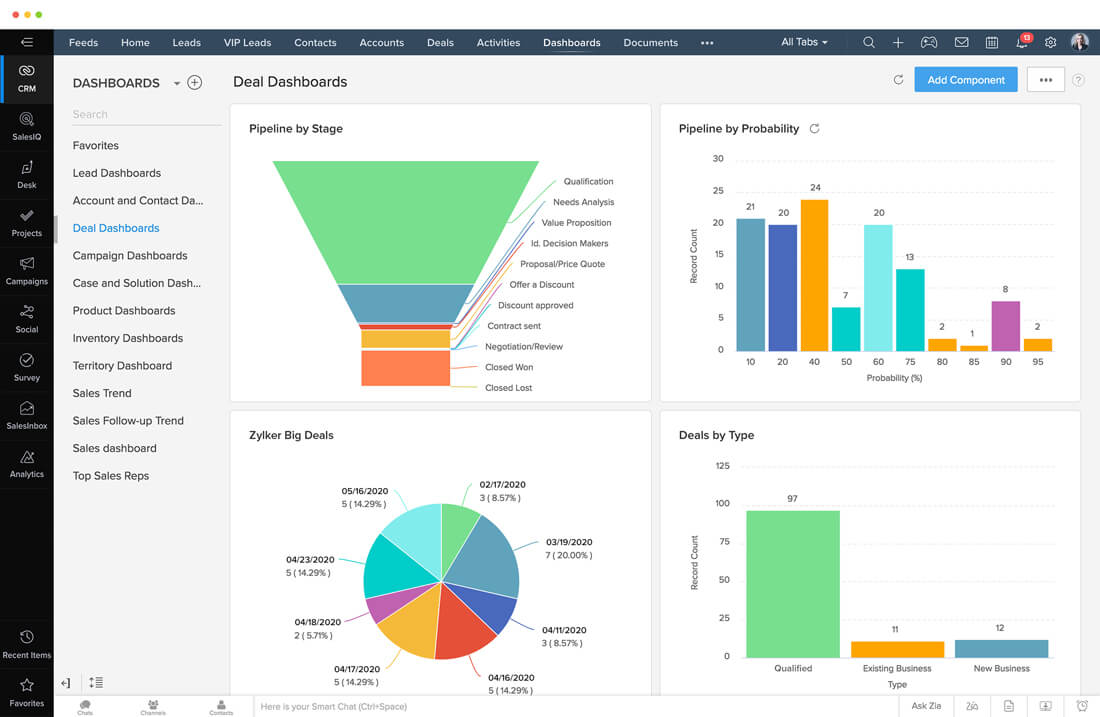
4. Zoho CRM
Best For
Small and medium-sized businesses
Growing organizations
Key Strengths
Affordable pricing
Zia AI assistant
Comprehensive business application suite
Strong automation capabilities
Limitations
Smaller ecosystem compared to Salesforce
Overall Rating: ⭐⭐⭐⭐☆
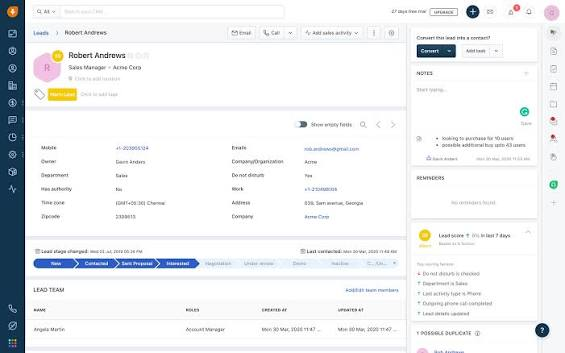
5. Freshsales (Freshworks CRM)
Best For
SMBs
Customer support and sales teams
Key Strengths
Freddy AI
Built-in telephony
Modern and intuitive interface
Easy deployment
Limitations
Less flexible for highly customized enterprise requirements
Overall Rating: ⭐⭐⭐⭐☆
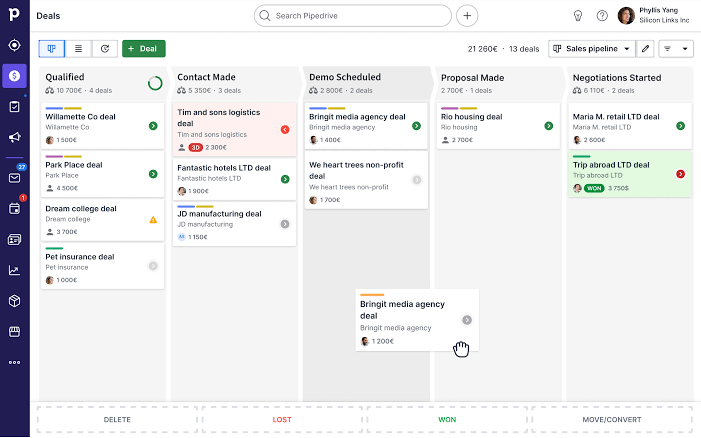
6. Pipedrive
Best For
Sales-focused organizations
B2B businesses
Key Strengths
Visual sales pipeline
Simple user experience
Quick onboarding
Affordable pricing
Limitations
Limited marketing automation compared to competitors
Overall Rating: ⭐⭐⭐⭐☆
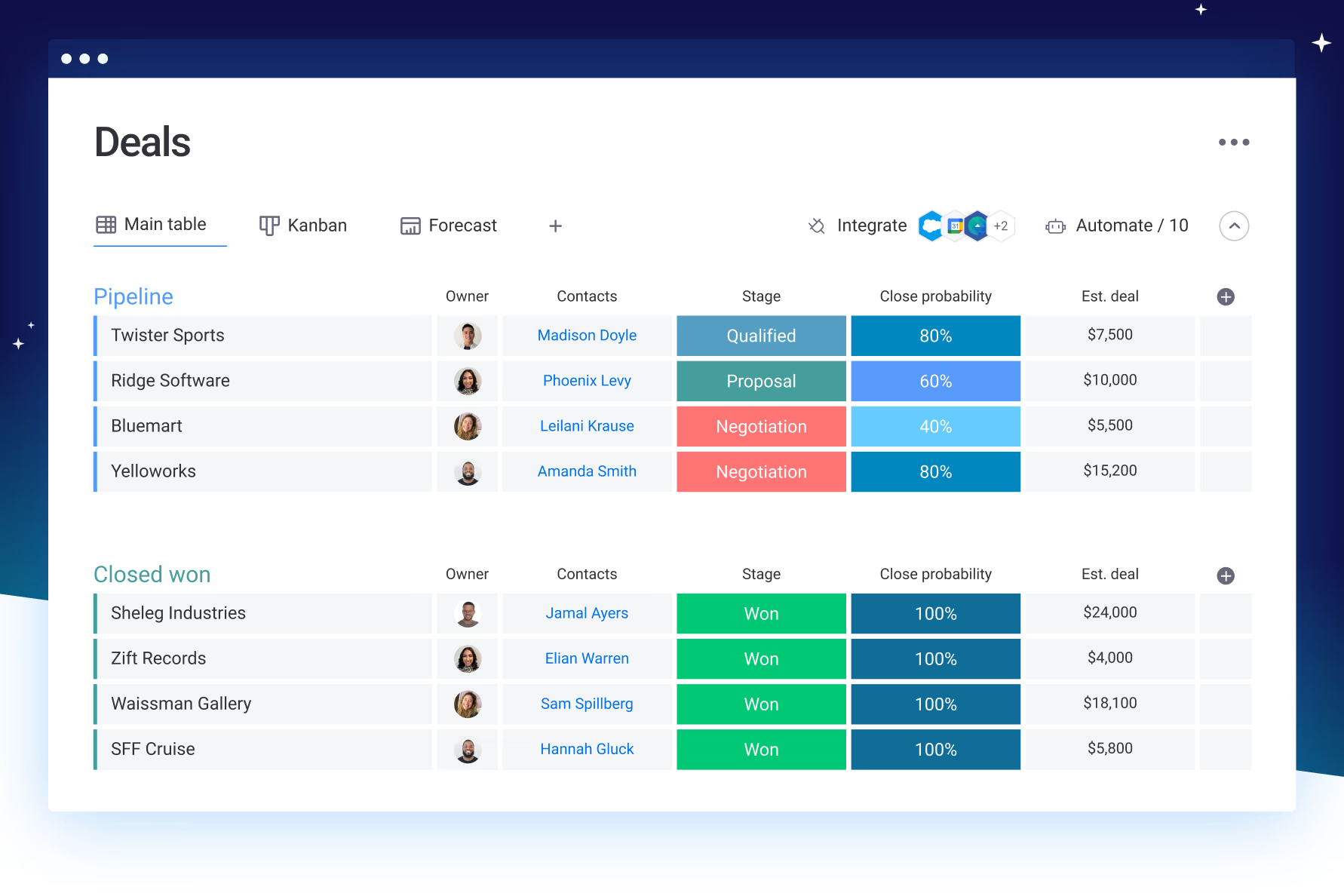
7. Monday Sales CRM
Best For
Startups
Agencies
Project-driven organizations
Key Strengths
Beautiful user interface
Workflow automation
Strong collaboration features
Integrated project management
Limitations
Less suitable for highly complex enterprise environments
Overall Rating: ⭐⭐⭐⭐☆
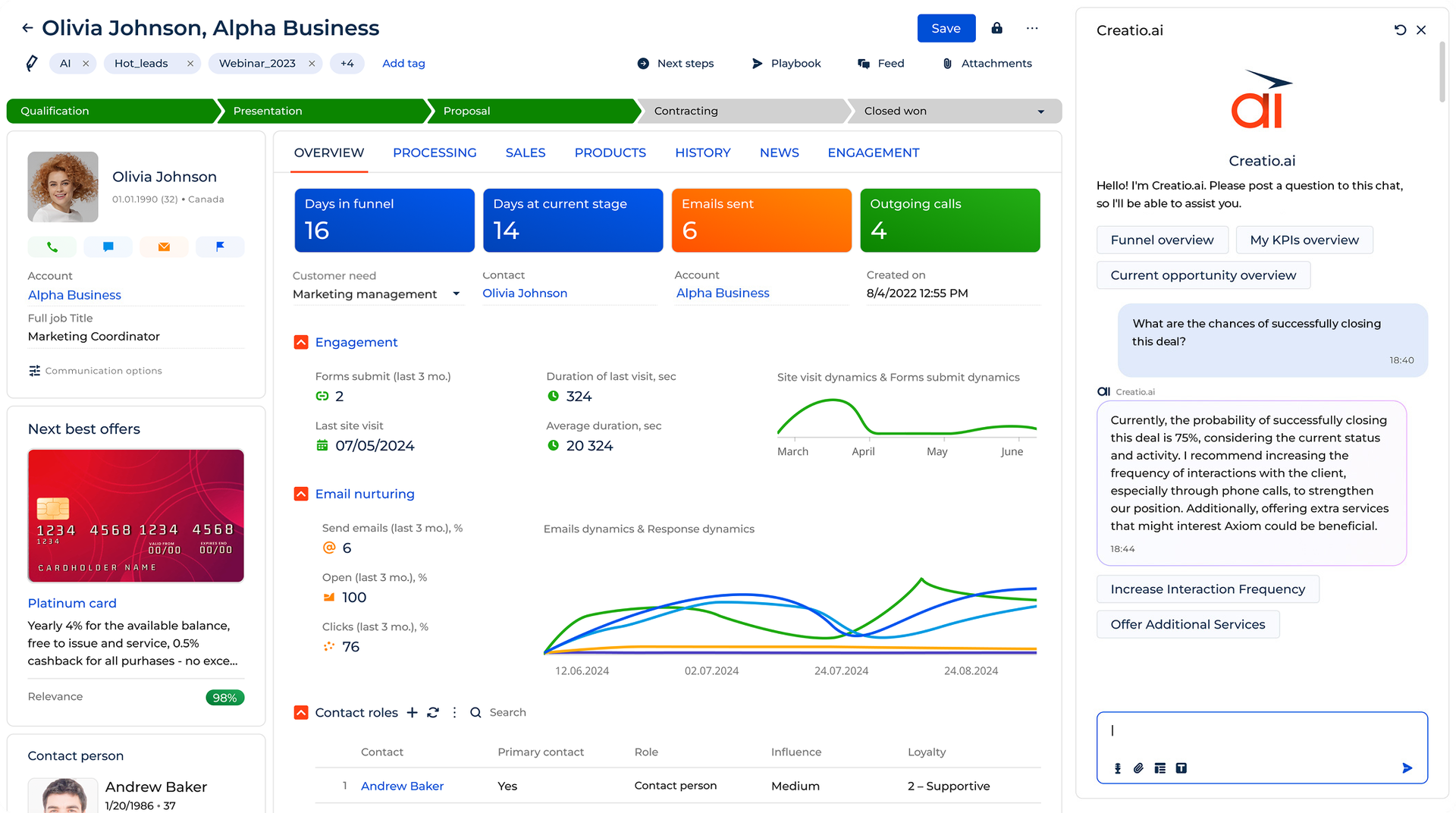
8. Creatio CRM
Best For
Enterprises
Organizations adopting low-code development
Key Strengths
No-code/low-code platform
Excellent BPM capabilities
Advanced workflow automation
High customization flexibility
Limitations
Smaller community compared to Salesforce
Overall Rating: ⭐⭐⭐⭐☆
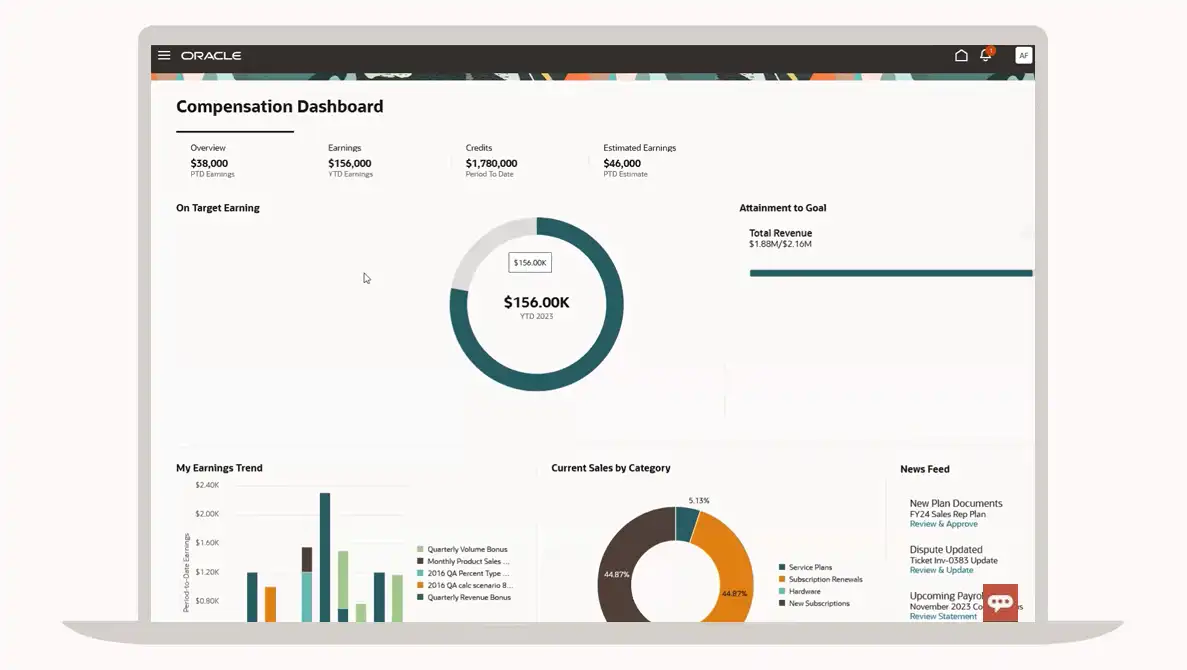
9. Oracle CX Sales
Best For
Large enterprises
Oracle ERP customers
Key Strengths
Enterprise-grade AI
Oracle Cloud ecosystem
Advanced analytics
Deep ERP integration
Limitations
High licensing and implementation costs
Overall Rating: ⭐⭐⭐⭐☆
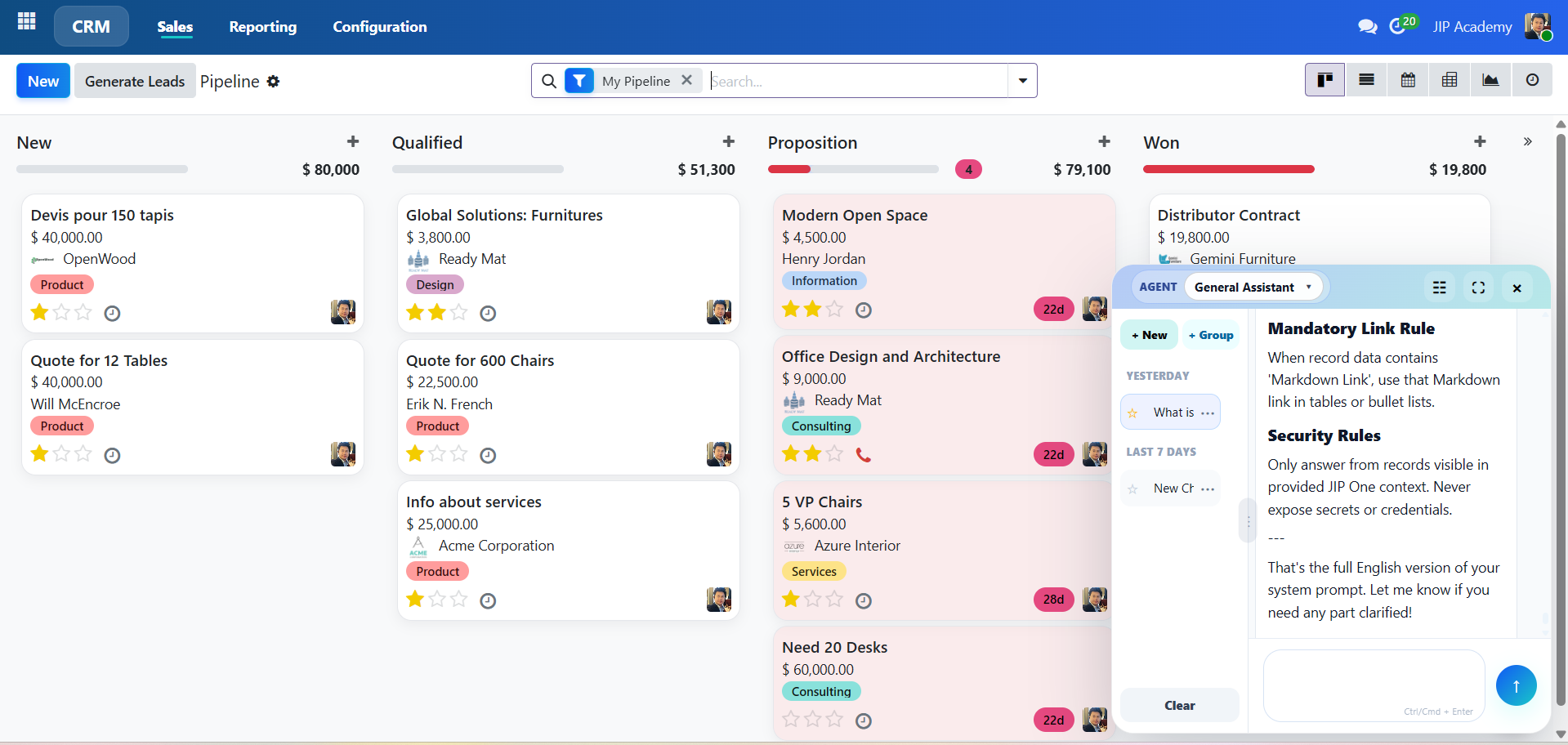
10. JIP One CRM (Emerging AI Business Platform)
Best For
Small and medium-sized businesses
Organizations seeking an all-in-one business platform
Key Strengths
Unified CRM, ERP, HRM, Project Management, and Workflow Automation
Built-in AI Agent capabilities
Integrated business applications
Single sign-on experience
Multi-company architecture
Lower implementation costs compared to traditional enterprise platforms
Limitations
Marketplace and ecosystem are still expanding
Smaller global user community than established CRM vendors
Overall Rating: ⭐⭐⭐⭐☆
Quick Comparison
| CRM Platform | AI | Enterprise | ERP Integration | Ease of Use |
|---|---|---|---|---|
| Salesforce | ⭐⭐⭐⭐⭐ | ⭐⭐⭐⭐⭐ | ⭐⭐⭐⭐⭐ | ⭐⭐⭐ |
| Microsoft Dynamics 365 | ⭐⭐⭐⭐⭐ | ⭐⭐⭐⭐⭐ | ⭐⭐⭐⭐⭐ | ⭐⭐⭐ |
| HubSpot | ⭐⭐⭐⭐ | ⭐⭐⭐ | ⭐⭐ | ⭐⭐⭐⭐⭐ |
| Zoho CRM | ⭐⭐⭐⭐ | ⭐⭐⭐ | ⭐⭐⭐ | ⭐⭐⭐⭐ |
| Freshsales | ⭐⭐⭐⭐ | ⭐⭐⭐ | ⭐⭐ | ⭐⭐⭐⭐⭐ |
| Pipedrive | ⭐⭐⭐ | ⭐⭐ | ⭐ | ⭐⭐⭐⭐⭐ |
| Monday CRM | ⭐⭐⭐ | ⭐⭐ | ⭐⭐ | ⭐⭐⭐⭐⭐ |
| Creatio | ⭐⭐⭐⭐ | ⭐⭐⭐⭐ | ⭐⭐⭐⭐ | ⭐⭐⭐ |
| Oracle CX Sales | ⭐⭐⭐⭐⭐ | ⭐⭐⭐⭐⭐ | ⭐⭐⭐⭐⭐ | ⭐⭐ |
| JIP One CRM | ⭐⭐⭐⭐ | ⭐⭐⭐ | ⭐⭐⭐⭐⭐ | ⭐⭐⭐⭐ |
CRM Trends in 2026
Several trends are reshaping the CRM industry:
AI Agents that automate sales and customer support.
Workflow Automation to eliminate repetitive manual tasks.
Unified Business Platforms combining CRM, ERP, HRM, and Project Management.
Low-Code and No-Code Development for faster customization.
Predictive Analytics for intelligent sales forecasting and customer insights.
Generative AI to assist with emails, reports, meeting summaries, and customer engagement.
Organizations are increasingly prioritizing platforms that unify multiple business functions rather than relying on disconnected applications.
Final Thoughts
There is no universally "best" CRM platform—only the one that best fits your organization's needs.
Large Enterprises: Salesforce, Microsoft Dynamics 365, Oracle CX Sales
Mid-Sized Businesses: Zoho CRM, Creatio, Freshsales
Startups & SMBs: HubSpot CRM, Pipedrive, Monday Sales CRM
Businesses Seeking an Integrated AI Business Platform: JIP One offers a compelling alternative by combining CRM, ERP, HRM, Project Management, Workflow Automation, and AI into a single ecosystem.
Before selecting a CRM, evaluate your company's size, budget, business processes, integration requirements, and long-term digital transformation strategy. The most successful CRM implementation is not necessarily the most feature-rich platform—but the one that aligns best with your organization's goals and future growth.